

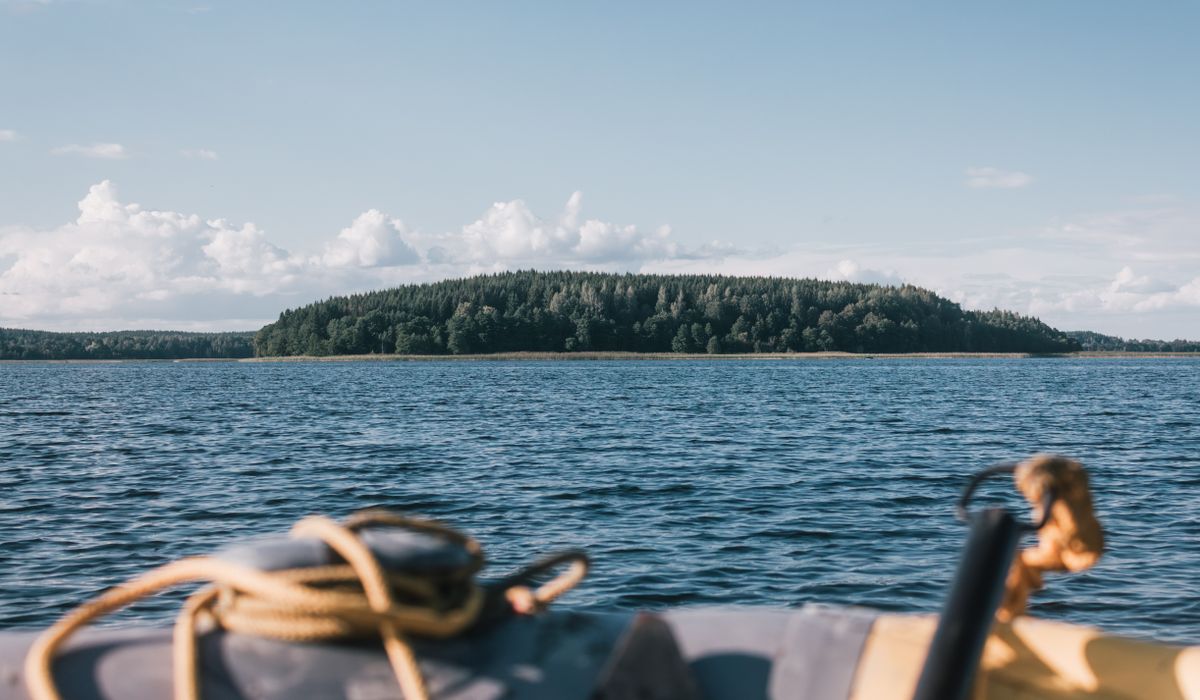
Photographing Fjord Light Through The Seasons
Why One Viewpoint Beats Ten
The first visit to a fjord is usually a blur of ferry timetables, hairpin roads and far too many photographs. It is only on the second or third trip — sometimes years later — that most of us notice what was really changing all along. The mountains stay put. The light does not.
Photographers who return to the same three or four compositions across the seasons build something a single trip cannot give them: a record of how one landscape behaves. A birch slope that reads as flat grey in February becomes a wall of green in June. The water beneath it shifts from steel to indigo to a pale, milky turquoise fed by meltwater. If you photograph the same jetty, the same bend in the road and the same ridge line every few months, you stop chasing scenery and start reading light. That is where the good work lives.
Winter: A Blue Hour That Lasts All Afternoon
Between November and February, much of coastal Norway sits in a low, slanting light that never quite becomes day. South of the Arctic Circle you might get five or six usable hours; further north, the sun can graze the horizon and slide away again within a couple of hours. What surprises newcomers is how long the blue hour lasts. It is not twenty minutes. It is most of the afternoon.
This is the season for simplicity. Snow compresses the scene into dark rock and bright white, so expose for the highlights and let the shadows go deep — your camera's meter will try to drag the snow down to grey, so add around +0.7 EV and check the histogram. Grey, overcast days are not wasted days: they are perfect for long exposures of moving water, and a ten-stop neutral density filter will turn a choppy fjord into something glassy.
Come prepared for the practical side, too. Daylight is short, so plan one location per day rather than three. Many ferries run a reduced winter timetable, and some mountain roads close entirely. Spare batteries live in an inside pocket, because cold drains them fast.
Spring: Clarity, Contrast and Cold Mornings
From March to May the fjords offer the sharpest contrast of the year. Snow still caps the higher ridges, the birches are bare, and the meltwater running into the fjord gives the surface a clean, mineral brightness. Reflections are at their best in still air.
Still air, however, is a morning phenomenon. Valley winds tend to build through the late morning and ruffle the water by early afternoon, so be on location before sunrise and shoot through until about nine o'clock. A polarising filter is worth its weight here: it cuts the sheen on wet rock and darkens the sky without flattening the greens.
- Watch for the snow line moving uphill week by week — it changes a composition more than you expect.
- Meltwater can make tracks and viewpoint paths genuinely dangerous; ice lingers in shaded gullies into May.
- Spring weather turns fast. A clear dawn can be gone by ten, so shoot your hero frame first.
Summer: The Evening That Refuses to End
June and July are generous in a way that feels almost unfair. The sun sets late and never drops far below the horizon, so golden light stretches across two or three hours instead of twenty minutes. North of the Arctic Circle the light simply keeps going, and you can photograph at two in the morning in a soft, warm glow with nobody else around.
The trade-off is colour. Long summer light picks up green from the foliage and a faint magenta in the shadows, and auto white balance will happily make a mess of both. Shoot raw and set a custom white balance, or fix it later with a grey reference frame. Mist forming over the water in the small hours is the reward for the early alarm — it usually burns off within half an hour of the sun touching it.
Autumn: Squalls, Rainbows and Drama
September and October bring the most volatile and, for many photographers, the most rewarding conditions. The first snow returns to the peaks, the birches turn copper, and weather fronts sweep through in twenty-minute cycles. You can stand in rain, watch the light break through, and have a rainbow over the fjord before you have finished changing lenses.
Work in short bursts and keep the camera out of the worst of it. A rain cover, a couple of microfibre cloths and a few sachets of silica gel in your bag will save a trip. Gusty viewpoints are also hard on tripods — hang your bag from the hook underneath, keep the centre column down, and stand on the windward side to shield the lens. Wide, dramatic skies suit a two-stop graduated filter, though with modern sensors you can often simply expose for the sky and lift the land later.
Kit and Planning That Pays Off
You do not need much, but you do need it to work in the wet and the cold.
- A solid tripod with a hook for ballast, plus a remote release or two-second timer.
- Filters: a polariser, a ten-stop ND for water, and a graduated ND for bright skies.
- Weather protection for you and the camera — the best light often arrives with the worst weather.
- Local information: tide tables, ferry times, avalanche and road reports, and a headtorch for the walk back.
- A plan: tell someone your route and expected return, especially outside summer.
Then go back. Same path, same jetty, same ridge. Twelve months later you will find a photograph you could not have taken on the first visit.


Coastal Escapes
-
Small fishing museums on the Baltic tell stories of coastal communities, old boats, and changing industries, often housed in former warehouses and harbourside buildings.
Nordic Food




-

Long established fact that a reader will be distracted
-

Long established fact that a reader will be distracted
-

Long established fact that a reader will be distracted


Fjord Guides
Karla Gleichauf
12 May 2017 at 05:28 pm
On the other hand, we denounce with righteous indignation and dislike men who are so beguiled and demoralized by the charms of pleasure of the moment
M Shyamalan
12 May 2017 at 05:28 pm
On the other hand, we denounce with righteous indignation and dislike men who are so beguiled and demoralized by the charms of pleasure of the moment
Liz Montano
12 May 2017 at 05:28 pm
On the other hand, we denounce with righteous indignation and dislike men who are so beguiled and demoralized by the charms of pleasure of the moment