


Wild Swimming Spots Along The Swedish Coast
Why Sweden's Coast Rewards Wild Swimmers
Sweden's coastline stretches for thousands of kilometres, from the granite islands of Bohuslän in the west to the flat, sandy shores of Skåne in the south and the tens of thousands of islands that make up the Stockholm archipelago. For a wild swimmer, that variety is the whole point. You can slip into deep, salty Skagerrak water off a smooth rock slab one day and wade into a warm, almost fresh Baltic bay the next.
The Swedish right of public access, allemansrätten, gives you the freedom to swim, walk and camp on most land and water, provided you leave no trace and keep a respectful distance from houses and gardens. It is a generous arrangement, and it works because visitors treat it that way. Take only photographs, take your litter home, and do not cross private gardens or jetties to reach the water.
Reading the Water Before You Get In
Sweden's seas are not uniform, and a little preparation makes every swim better. Water quality at designated bathing spots is tested regularly through the summer, with results published by the local municipality. It is worth a quick check before you travel, particularly after heavy rain.
- Temperature: Baltic bays around Stockholm and the east coast typically reach 18–22°C in late July and August. The west coast runs a degree or two cooler, usually 17–20°C. Skåne's shallow sandy beaches warm quickest of all, while the Bothnian coast in the north stays bracing.
- Run-off: avoid swimming near river mouths, harbours and marinas for 24–48 hours after heavy rain, when bacteria levels can spike.
- Blue-green algae: late-summer blooms in the Baltic can look like green paint or pea soup on the surface. Do not swim in it, and keep dogs well away.
- Jellyfish: the west coast sees stinging jellyfish in warm late-summer spells. Most stings are mild, but allergic reactions are possible.
- Tides: the Baltic has almost no tidal range, which makes it wonderfully forgiving. The Skagerrak coast does have tidal movement, and currents run hard between islands and around headlands.
The West Coast: Granite, Salt and Deep Water
Bohuslän, north of Gothenburg, is the classic Swedish coastal swim. Places such as Fjällbacka, Smögen and the Koster islands offer pink granite slabs that shelve straight into clear, saline water. There is often deep water within a few strokes of the rock, which is exhilarating but means you should be a confident swimmer.
Entry points are usually obvious — smooth rock worn by generations of bathers — but the channels between islands can run fast, and summer boat traffic is heavy. Swim close to shore, use a brightly coloured tow float so you are visible from the water, and choose slack water if you plan to cross anything. Further south, around Kullen and Mölle in Skåne, the coast turns wilder, with cliffs, sandy coves and bigger swells.
The East Coast and the Stockholm Archipelago
The Baltic side is gentler. With negligible tides and sheltered inlets, the archipelago around Stockholm is arguably the most beginner-friendly wild swimming in Scandinavia. Many islands have shallow, sandy-bottomed bays that warm to 20°C or more by August, with rocks at the water's edge for sitting, dressing and warming up afterwards.
Head further south to Östergötland, Västervik or the Blekinge coast and you get the same calm water with fewer people. Gotland and Fårö, out in the Baltic, offer long sandy beaches such as Sudersand and Tofta, where the water is shallow for a long way out — ideal for families and nervous swimmers, though it means you have to wade a while to find depth.
The South Coast: Sandy, Shallow and Easy
Skåne and Halland are where Sweden's swimming is at its most straightforward. Beaches at Skanör, Falsterbo and Tylösand are broad, sandy and gently shelving, with lifeguards at some spots in high season. Malmö's Ribersborg has a long tradition of year-round bathing and is a good place to observe the Swedish habit of cold-water swimming without committing to a solo dip.
Sandy beaches bring their own hazards. Rip currents can form where waves break, particularly on windier days. If you are caught in one, do not fight it — swim parallel to the shore until you are out of the flow, then head back in.
Staying Safe and Swimming Well
Cold water is the main consideration on any Swedish coast, even in high summer. Enter gradually, let your breathing settle, and give yourself thirty seconds before striking out. The initial gasp reflex passes, and the swim that follows is usually far more comfortable than the first few metres suggested.
- Never swim alone in open water. Tell someone where you are going and when you expect to be back.
- Carry a tow float with a dry bag for your phone, keys and a light layer.
- Wear something on your feet if you are crossing rocky ground — sea urchins and sharp barnacles are common.
- Bring warm layers, a woolly hat and a flask for afterwards. The post-swim shiver is real, even in August.
- For winter swimming, join an organised club. Ice swimming is wonderful with a group and genuinely dangerous alone.
- Respect fishing nets, mooring lines and private jetties, and leave every bay exactly as you found it.
Swim within your ability, choose your entry point with care, and Sweden's coast will reward you with some of the cleanest, quietest open water in Europe.


Coastal Escapes
-
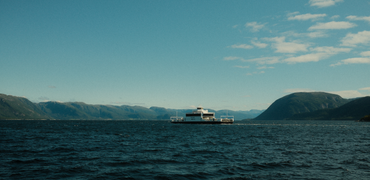
Shorter autumn days near Bergen suit gentle coastal walks, with viewpoints, woodland paths, and opportunities to warm up in a local café.
Nordic Food




-

Long established fact that a reader will be distracted
-

Long established fact that a reader will be distracted
-

Long established fact that a reader will be distracted


Fjord Guides
Karla Gleichauf
12 May 2017 at 05:28 pm
On the other hand, we denounce with righteous indignation and dislike men who are so beguiled and demoralized by the charms of pleasure of the moment
M Shyamalan
12 May 2017 at 05:28 pm
On the other hand, we denounce with righteous indignation and dislike men who are so beguiled and demoralized by the charms of pleasure of the moment
Liz Montano
12 May 2017 at 05:28 pm
On the other hand, we denounce with righteous indignation and dislike men who are so beguiled and demoralized by the charms of pleasure of the moment