

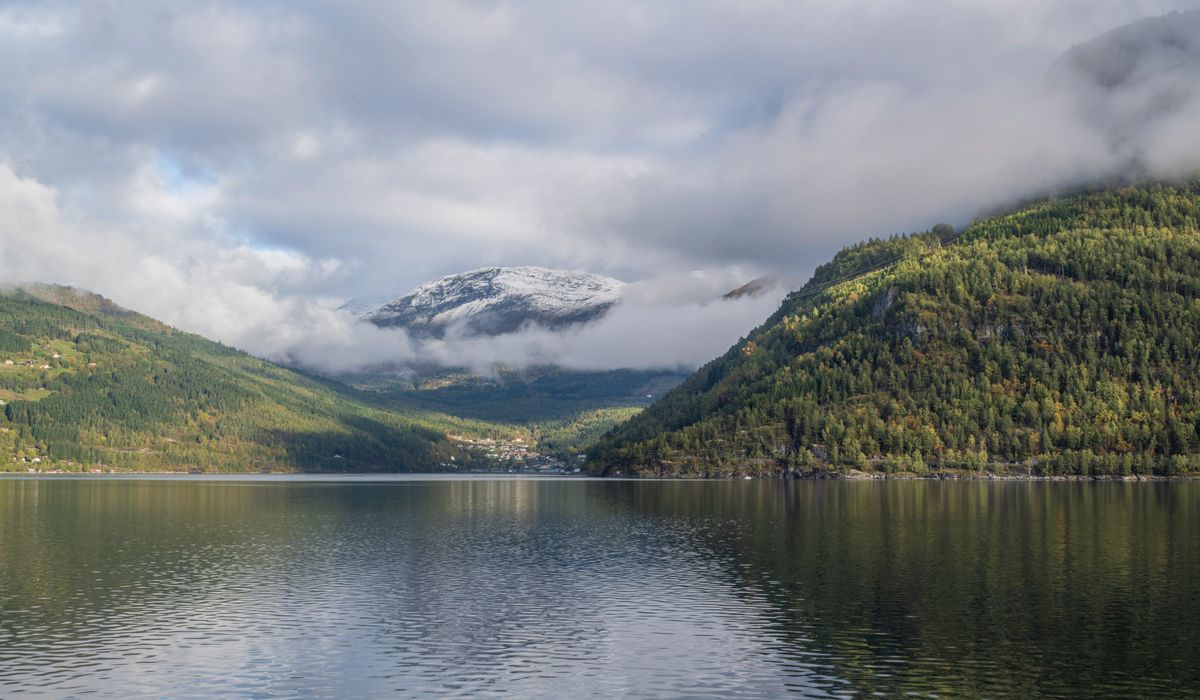
Choosing A Coastal Cabin For A Rainy Weekend
A rainy weekend in a Scandinavian coastal cabin is not a washout. It is the point. Grey water, low cloud, the smell of wet pine and salt, a wood stove ticking as it cools: this is a particular kind of northern luxury. The trick is choosing a cabin that works with the rain rather than against it. Get that right and you will spend less time fighting the weather and more time watching it.
Start With The Weather, Not The Brochure
Before you fall for a sunlit deck, check rainfall and wind for that exact coast. The Norwegian west coast can be spectacularly wet; the sheltered skerries of the Swedish east coast and Danish Baltic feel gentler, though not dry. An exposed headland may offer dramatic views, but in a Force 7 it feels like camping inside a drum. Ask how you will reach the cabin if the weather turns: a gravel track is usually fine, a steep unsealed road less so, and a boat transfer can be cancelled. Choose somewhere within walking distance of a shop or jetty, and check if the owner provides local advice. A rainy weekend is more enjoyable when the final mile is simple.
The Cabin Itself: Drying Room, Wood Stove, And Windows
The best wet-weather cabins share practical features. Look for a covered porch or boot room to shed dripping jackets. A drying cabinet, rack, or heated bathroom rail makes a huge difference when four people return from a beach walk. A wood stove is back-up heat if the power flickers; check that dry wood and kindling are included. Ventilation matters as much as warmth: open a window briefly to clear damp air. Windows should face the water, even if the view is grey, because watching rain move across a fjord or bay is the main event. Ask how electric heating is metered; if there is no running water, confirm the nearest tap and toilet. Thick curtains, wool blankets, and a decent reading lamp turn a basic hytte into a refuge.
Packing For Wet Coastlines
Pack as if you will be outside for two hours and inside for two days. The goal is to stay dry enough to enjoy the short windows of brightness, then peel off layers without steaming up the cabin.
- Waterproof jacket and trousers with taped seams, not just a shower-resistant coat.
- Rubber boots or wellies for rocky shores, plus warm socks and a spare pair.
- Wool base layers and a fleece or jumper; cotton is miserable when damp.
- A thermos and a flask for coffee or soup on a sheltered bench.
- A headtorch for dark afternoons and unfamiliar paths.
- A dry bag for phones, cameras, and the cabin key.
- Binoculars for sea eagles, eiders, and the changing weather.
- Board games, cards, dominoes, or a jigsaw for the long evening.
- Slippers and a soft bag for wet gear, so you do not track grit indoors.
What To Eat When It Rains
Rainy weekends are for simple, local food. Seek out smoked fish from a harbour shop or market: hot-smoked trout, cold-smoked salmon, smoked mackerel, or pickled herring in mustard sauce. Serve with dark rye bread, boiled potatoes, dill, and a sharp salad of apple and cabbage. If you can find cloudberry jam or lingonberry preserve, add it to pancakes or porridge. Cinnamon buns and strong coffee belong to the afternoon, especially after a cold walk. For supper, a one-pot fish soup with cream, leek, and root vegetables keeps the cabin smelling generous without a fuss. Buy more than you think you need: if the ferry or road closes, you will be glad of tinned fish, crispbread, and chocolate. A bottle of aquavit is optional, but a small glass before dinner suits the grey light.
Rainy Day Rhythms
Do not wait for a full day of sunshine. Instead, watch the radar and take a short walk when the rain eases. Beachcombing is ideal: look for sea glass, driftwood, mussel shells, and the tideline’s small dramas. In Scandinavia, the coast often has modest tides, so you can wander further than you might at home, but always respect slippery rocks and cold water. Return to the cabin, hang wet clothes, light the stove, and make something warm. An afternoon sauna, if the cabin has one, is the perfect rainy ritual: heat, steam, then a brief dash to the sea or a cold shower. Afterwards, board games, a paperback, or a long nap are all valid. This is friluftsliv in its quieter form: not conquering the outdoors, but living alongside it. The rain becomes a sound track rather than an obstacle.
Booking And Leaving It Better
Off-season coastal cabins are often cheaper and easier to book, but ask about minimum stays, cleaning fees, and whether bedding and towels are included. Confirm check-in times in relation to daylight; in winter, arriving after 4pm can mean finding the key in the dark. Leave the cabin as you found it: dry the dishes, sweep the floor, and stack any unused wood under cover. If you borrowed a local map or saw a good swimming spot, note it for the next guest rather than taking it home. Most importantly, build in a slow morning before you leave. A rainy weekend does not need to be productive. It needs a kettle, a window, and the willingness to let the grey water do the rest.


Coastal Escapes
-
Island hopping in Scandinavia rewards light packing, waterproof layers, and a flexible mindset when ferries are delayed by wind or fog.

Nordic Food




-

Long established fact that a reader will be distracted
-

Long established fact that a reader will be distracted
-

Long established fact that a reader will be distracted


Fjord Guides
Karla Gleichauf
12 May 2017 at 05:28 pm
On the other hand, we denounce with righteous indignation and dislike men who are so beguiled and demoralized by the charms of pleasure of the moment
M Shyamalan
12 May 2017 at 05:28 pm
On the other hand, we denounce with righteous indignation and dislike men who are so beguiled and demoralized by the charms of pleasure of the moment
Liz Montano
12 May 2017 at 05:28 pm
On the other hand, we denounce with righteous indignation and dislike men who are so beguiled and demoralized by the charms of pleasure of the moment