

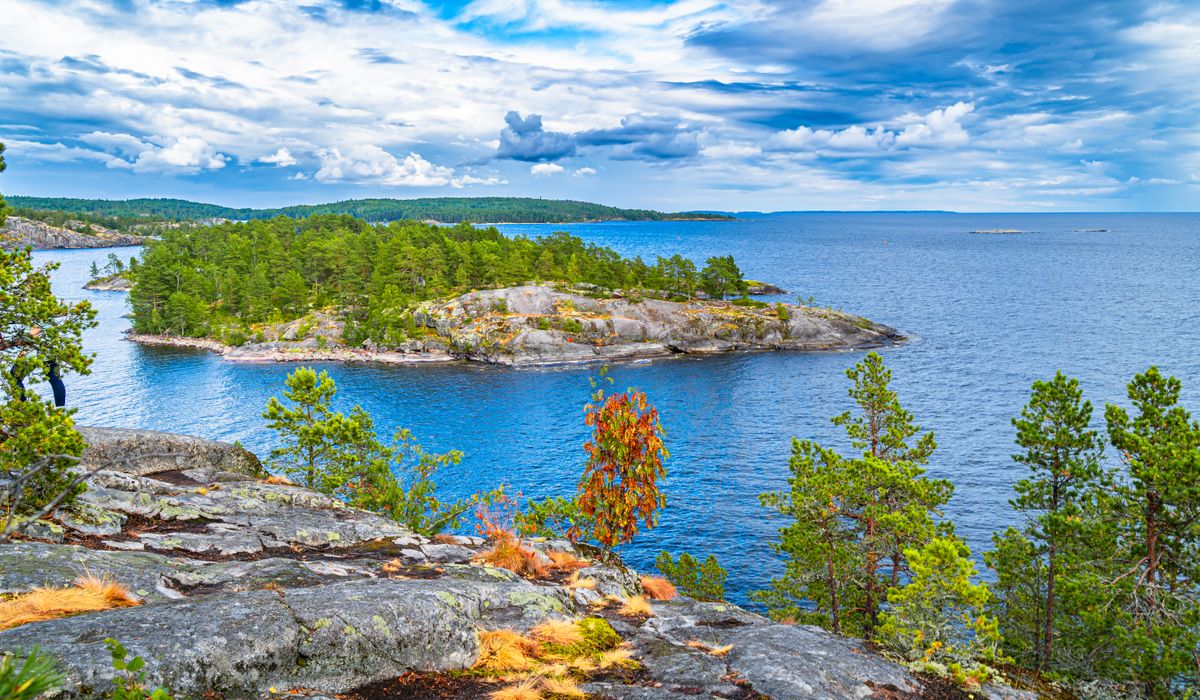
Choosing A Base For The Lofoten Islands
Why Your Base Matters More Than You Think
Lofoten looks compact on a map, but the reality is different. The archipelago stretches roughly 150 kilometres from Svolvær to Å, linked by the E10. That road is often narrow, sometimes single-track, and always at the mercy of weather and summer traffic. A drive that looks like an hour on paper can easily take two. Add in ferry timetables and hiking trailheads, and you realise that where you sleep each night shapes everything else. Choose a base that matches your priorities: hiking, photography, quiet, or harbour life.
The Northern Gateways: Svolvær And Leknes
Svolvær is the largest town in Lofoten, with a lively harbour, galleries, restaurants, and a good range of accommodation. The express boat from Bodø arrives here, and the airport connects to Bodø and Oslo. From Svolvær you can hike Fløya and Djevelporten, take a boat to the Trollfjord, or drive south to Henningsvær in under half an hour. It is also the most reliable base in winter, when many smaller villages close their cafés and shops.
Leknes is less charming but more practical. It has the region's main airport, a large supermarket, a hospital, and a central location that makes both northern and southern day trips feasible. If you want to split your time between Reine and Svolvær without moving accommodation, Leknes is a sensible compromise.
The Scenic South: Reine, Hamnøy And Å
Reine is the postcard village, with red rorbuer perched on rocks and a backdrop of jagged peaks. It is busy in summer, but early mornings and late evenings are magical. As a base, Reine gives you easy access to the Reinebringen steps, the ferry to Vindstad for Bunes beach, and the drive to Ryten and Kvalvika beach. Hamnøy, just across the bridge, is quieter but still within walking distance of Reine.
Å, at the very end of the E10, is the quietest option. It is a preserved fishing village with a stockfish museum, a tiny bakery, and a handful of rorbuer. There is no through traffic, and the pace is slow. If you want silence, dark skies, and the feeling of being at the edge of the world, Å is hard to beat. Just be aware that amenities are limited: one small shop, a café, and not much else.
Quiet Fishing Villages Versus Lively Harbours
Lofoten's villages vary enormously in atmosphere. If you prefer quiet, consider Nusfjord, a preserved fishing village with a handful of rorbuer and a small harbour. It is beautiful but tiny, with limited parking and few services. Ballstad is a working harbour, less touristy, with a good fish restaurant and easy access to fishing trips. Ramberg has a long white beach and a relaxed feel. Sund, near Reine, is another quiet option.
If you want a bit more life, Henningsvær is the best middle ground. It has art galleries, a climbing school, several cafés, and a lively harbour, yet it remains small enough to walk in twenty minutes. Svolvær is the only place that feels like a town, with bars, shops, and tours departing daily. But be realistic: "lively" in Lofoten means a few places open after 9pm, not a city. In winter, many places go quiet, so check opening dates before you book.
Ferry Links And Practical Access
Ferries are the lifeline of Lofoten, and they should influence your base. The main car ferry from Bodø to Moskenes takes around three and a half hours and lands you in the south, close to Reine and Å. If you arrive this way with a car, a southern base makes immediate sense. The express boat from Bodø to Svolvær also takes around three and a half hours and deposits you in the north, ideal for Svolvær or Henningsvær.
Once you are in the islands, the E10 connects everything, but there are no internal car ferries. The only other ferries you might use are the small boat from Reine to Vindstad (for Bunes beach) and the ferry from Moskenes to Værøy and Røst. All ferries are weather-dependent. In winter, cancellations are common, so build in a buffer day if you have a flight to catch. Also note that the Bodø–Moskenes ferry often sells out in summer; book ahead if you are bringing a car.
Matching Your Base To Your Trip
Here is a quick guide based on common priorities:
- Hikers: Reine or Svolvær. Reine for Reinebringen and Kvalvika; Svolvær for Fløya.
- Photographers: Hamnøy or Reine. Close to iconic viewpoints for sunrise and sunset.
- Quiet seekers: Å, Nusfjord, or Sund. Limited services and a lot of silence.
- Families: Leknes or Svolvær. Supermarkets, pharmacies, and indoor options.
- Winter travellers: Svolvær or Leknes. More accommodation and tours stay open.
- Budget travellers: Ballstad or Ramberg. Camping and hostels are more plentiful.
Whichever base you choose, the islands will reward you. Take your time, talk to the locals, and let the weather set your pace. A flexible plan and a good thermos will serve you better than a long list of must-sees. Lofoten is not a place to tick off; it is a place to settle into, even if only for a few nights.


Coastal Escapes
-
Travelling between Norwegian coastal towns often involves ferries, buses, and express boats, so plan connections carefully and keep journeys unhurried.
Nordic Food




-

Long established fact that a reader will be distracted
-

Long established fact that a reader will be distracted
-

Long established fact that a reader will be distracted


Fjord Guides
Karla Gleichauf
12 May 2017 at 05:28 pm
On the other hand, we denounce with righteous indignation and dislike men who are so beguiled and demoralized by the charms of pleasure of the moment
M Shyamalan
12 May 2017 at 05:28 pm
On the other hand, we denounce with righteous indignation and dislike men who are so beguiled and demoralized by the charms of pleasure of the moment
Liz Montano
12 May 2017 at 05:28 pm
On the other hand, we denounce with righteous indignation and dislike men who are so beguiled and demoralized by the charms of pleasure of the moment