

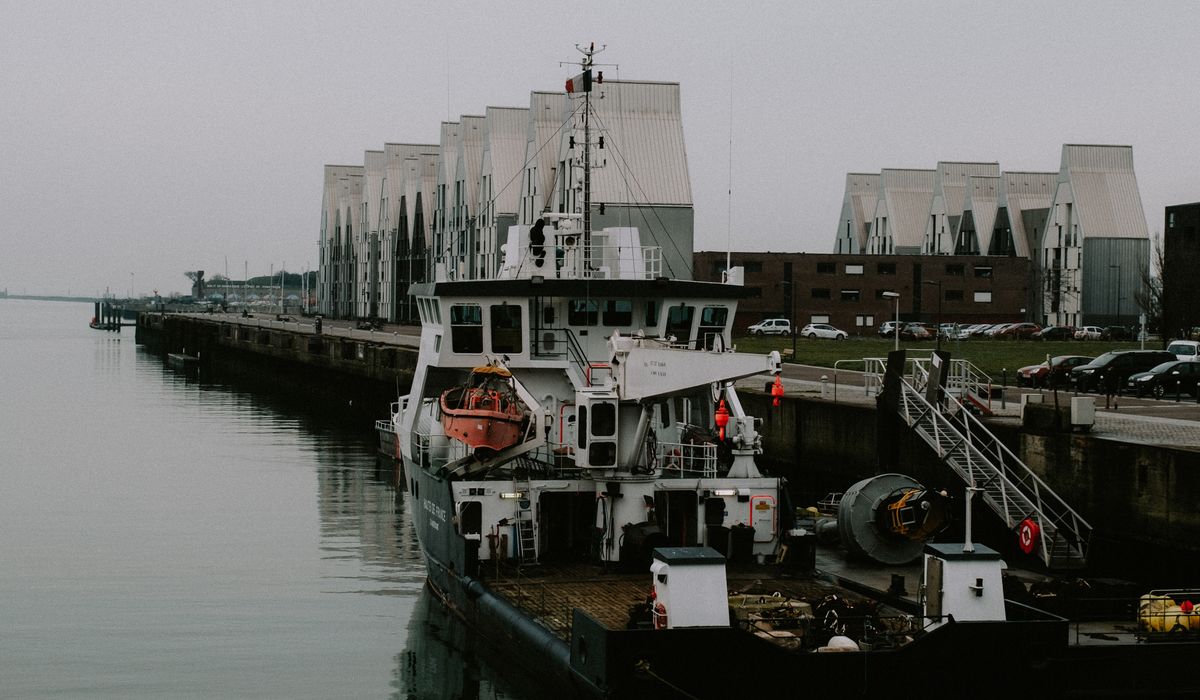
Slow Travel By Boat Along The Swedish Coast
There is a particular kind of quiet that settles over the Swedish coast in the early morning, when the water is still holding last night's chill and the only sound is the gentle slap of a mooring line against a wooden hull. Slow travel by boat is not about covering distance. It is about letting the coastline come to you, one granite skerry at a time.
Sweden's coastline runs for thousands of kilometres, from the sheltered archipelagos of the south to the raw, wind-scoured reaches of the Bothnian Sea. Travelling it by small boat, at walking pace or slower, changes what you notice. You begin to read the water, the weather, and the small rituals of harbour life the way locals do.
Why the Swedish Coast Rewards a Slower Pace
The Swedish coast is not a single landscape but a sequence of them. The Stockholm archipelago alone contains tens of thousands of islands, many no larger than a living room. Further south, around Bohuslän, the granite gives way to fishing villages and open sea. Further north, the islands grow sparser and the light stretches late into summer evenings.
Travelling by boat, you can anchor in a natural harbour that has no road, no shop, and no name on most maps. You can wait out a headwind for a day and discover a perfectly sheltered bay full of eider ducks. This is the reward of slow travel: the itinerary bends to the weather rather than fighting it.
Practical note: the Swedish summer sailing season runs roughly from late May to early September. Midsummer in late June is busy, so book popular guest harbours ahead if you plan to stop at well-known spots.
Reading the Water and the Light
Experienced coastal travellers learn to read the sea as a kind of text. Darker patches often mean shallower water over rock. A line of ripples where the wind shifts can signal a channel. In the archipelago, the water colour shifts from deep blue to green-black to pale turquoise, each telling you something about depth and seabed.
Then there is the light. Swedish summer daylight is famously long, and the "blue hour" after sunset can last for hours. Photographers and painters have long been drawn to this soft, indirect glow. For a slow traveller, it means evening swims at ten o'clock and dinner on deck while the sky turns from gold to rose to a pale, persistent blue.
- Morning: calm water, mist over the channels, best time to move between islands.
- Midday: stronger winds, good for sailing legs or exploring ashore.
- Evening: the light softens; ideal for anchoring, swimming, and cooking aboard.
The Rhythms of Harbour Life
Harbours along the Swedish coast have their own tempo. In a small guest harbour, the day often begins with a quiet procession: someone checking their mooring, a couple rowing a dinghy to the jetty, a fisherman heading out before the wind picks up. By mid-morning, the bakery or the little harbour shop is open, and by evening the wooden pontoons fill with boats and the smell of grilling food drifts across the water.
Many harbours operate on an honesty system. You moor, you pay into a box or a simple app, and you leave the facility as you found it. Showers, saunas, and washing-up areas are often shared, and this practical intimacy is part of the charm. You will nod to neighbours, swap weather forecasts, and maybe share a coffee.
If you are new to this, keep a few things in mind:
- Arrive before late afternoon if you want a good spot in a popular harbour.
- Learn the Swedish right-of-way rules; the "right-hand rule" applies in many narrow channels.
- Carry cash or set up a local payment app, as some small harbours still prefer it.
- Respect the allemansrätten, the right to roam, but remember it comes with the duty not to disturb.
What to Pack for a Coastal Boat Journey
Space is limited, so pack for layers and for damp. Even in July, a grey day can feel like early spring. A waterproof jacket, a warm mid-layer, and shoes with grip for wet granite are essentials.
Beyond clothing, a few practical items make a real difference:
- A good pair of binoculars for spotting seabirds and distant landmarks.
- A paper chart or a reliable offline navigation app, since mobile signal can vanish between islands.
- A small cooking setup and basic provisions, in case you anchor somewhere without a shop.
- A torch or headlamp for late-evening walks ashore.
- A lightweight mosquito net or repellent for midsummer evenings near wooded shores.
If you are chartering a boat, check what is included. Many Swedish charter companies supply safety equipment, charts, and a basic galley kit, but you will usually need to bring your own bedding and personal gear.
Small Islands, Big Impressions
The magic of slow coastal travel is cumulative. It is not one dramatic landmark but the accumulation of small moments: a lone red boathouse reflected in still water, the smell of pine and salt, the sudden splash of a seal surfacing nearby. You begin to notice how the coastline changes with each mile, how the granite smooths and the vegetation thins as you head north.
You also begin to notice yourself slowing down. The urge to tick off destinations fades. Instead, you find yourself lingering over a second cup of coffee, watching a heron stalk the shallows, or deciding that today is simply a good day to stay put.
That, in the end, is what slow travel by boat along the Swedish coast offers: not a checklist, but a rhythm. The water sets the pace, the light marks the hours, and the harbours remind you that the simplest routines, done well, are often the most memorable.


Coastal Escapes
-
Ferry timetables and weather patterns shape spring fjord travel, so pack layers and allow extra time for delays at small coastal piers.
Nordic Food




-

Long established fact that a reader will be distracted
-

Long established fact that a reader will be distracted
-

Long established fact that a reader will be distracted


Fjord Guides
Karla Gleichauf
12 May 2017 at 05:28 pm
On the other hand, we denounce with righteous indignation and dislike men who are so beguiled and demoralized by the charms of pleasure of the moment
M Shyamalan
12 May 2017 at 05:28 pm
On the other hand, we denounce with righteous indignation and dislike men who are so beguiled and demoralized by the charms of pleasure of the moment
Liz Montano
12 May 2017 at 05:28 pm
On the other hand, we denounce with righteous indignation and dislike men who are so beguiled and demoralized by the charms of pleasure of the moment