


Essential Packing List For Scandinavian Island Hopping
Pack for the Journey, Not the Photograph
Island hopping along the Scandinavian coast is one of the great slow-travel pleasures in Europe, but it is not a holiday that rewards a heavy suitcase. You will haul your bag up ferry ramps, along wooden jetties, over granite outcrops and onto buses that only run twice a day. Every kilogram counts when you are changing islands three times in a week. The golden rule is simple: pack as though you will carry everything yourself for a kilometre, because at some point you probably will. Aim for one 40-litre rucksack plus a small daypack, and treat anything else as a luxury.
Layers, Not Bulk
Scandinavian coastal weather changes its mind constantly. A morning of flat calm and pale sunshine can turn into a cold, sideways drizzle by lunchtime, then clear again for a late-evening walk in dazzling light. Rather than one thick jacket, build a system.
- Merino wool base layers (two sets) — warm when damp, odor-resistant, and quick to rinse in a sink.
- A mid-layer fleece or thin down jacket — the workhorse for breezy ferry crossings.
- A proper waterproof shell with taped seams and a hood that stays up in wind. Not showerproof. Waterproof.
- Waterproof overtrousers — the item people leave behind and regret within an hour of arriving.
- A wool hat, light gloves and a buff — even in July, sea fog can drop the temperature sharply.
Cotton is your enemy here. It soaks, clings and chills. Leave the jeans at home.
Footwear for Granite and Wet Decks
Paths on the skerries and outer islands are often bare rock, polished smooth by ice and foot traffic, and they become genuinely slippery in rain. Bring footwear with grip.
- Waterproof walking shoes or light boots with a decent tread — your main pair.
- Sandals or trainers for evenings and for rocky beaches where you will paddle.
- Two or three pairs of wool socks, plus a spare pair kept dry in a plastic bag.
- Blister plasters and a small roll of tape. You will be grateful on day four.
Break your boots in before you travel. An island with one shop and no pharmacy is not the place to discover a heel blister.
The Daypack That Never Leaves Your Side
Your big rucksack goes in the luggage rack on the ferry; your daypack stays with you. Fill it with the things that make a delayed crossing comfortable rather than miserable.
- A refillable water bottle — tap water is excellent and free across the region.
- A thermos and coffee sachets, or a flask for soup on cold crossings.
- Snacks: nuts, oatcakes, dried fruit. Island shops keep short hours and shut on Sundays.
- A power bank and charging cable — ferry timetables and tickets often live on your phone.
- Eye mask and earplugs — essential in June and July, when the sun barely sets and the gulls start early.
- A midge head net if you are heading anywhere near the fjord country in summer.
- Sunscreen and sunglasses. Coastal light reflects off water and rock with real force.
Bags, Ferries and the Art of Being Flexible
Wind and fog delay ferries. This is not a failure of the system; it is simply how coastal life works, and the sooner you accept it, the happier you will be. Pack accordingly.
- Dry bags or a rucksack liner — spray on an open deck soaks everything it touches.
- One small padlock for hostel lockers, and a cable lock for your bag on longer crossings.
- A printed copy of your ferry and accommodation details, in case signal drops on a remote pier.
- A European travel adapter (type C or F) if travelling from the UK.
- Very little cash. Norway, Sweden and Denmark are overwhelmingly card-based; contactless works almost everywhere, even on small ferries.
Keep a spare day in your itinerary. If the boat is cancelled, you will have time to walk, swim, or simply sit in a harbour café and watch the weather move through.
Small Comforts Worth the Weight
Pack a quick-dry microfibre towel, a few metres of paracord for a washing line, a head torch for late return walks, and a compact folding sit mat — cold, wet granite is everywhere and you will want to sit on it. A small first-aid kit with painkillers, plasters and rehydration sachets covers most eventualities. Finally, bring a good paperback or a deck of cards: some of the best hours of an island-hopping trip happen in a ferry lounge or a hostel kitchen, waiting for the wind to drop, talking to whoever happens to be there.
Pack light, layer well, and leave room in your bag for the jar of cloudberry jam you will inevitably want to bring home.


Coastal Escapes
-
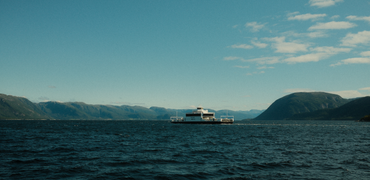
Norwegian coastal weather changes quickly, so check local forecasts, carry windproof clothing, and expect rain even on bright mornings by the sea.

Nordic Food




-

Long established fact that a reader will be distracted
-

Long established fact that a reader will be distracted
-

Long established fact that a reader will be distracted


Fjord Guides
Karla Gleichauf
12 May 2017 at 05:28 pm
On the other hand, we denounce with righteous indignation and dislike men who are so beguiled and demoralized by the charms of pleasure of the moment
M Shyamalan
12 May 2017 at 05:28 pm
On the other hand, we denounce with righteous indignation and dislike men who are so beguiled and demoralized by the charms of pleasure of the moment
Liz Montano
12 May 2017 at 05:28 pm
On the other hand, we denounce with righteous indignation and dislike men who are so beguiled and demoralized by the charms of pleasure of the moment