

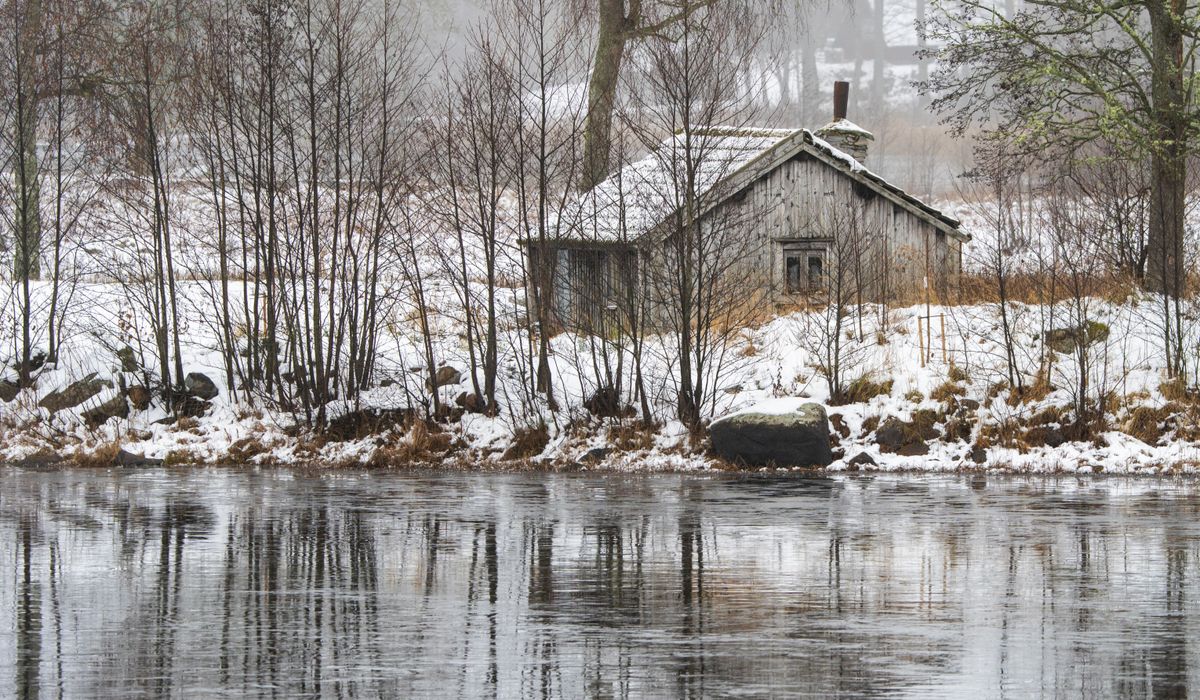
What To Expect From A Nordic Sauna Experience
Stepping into a Nordic sauna for the first time can feel like entering a different world — one where the thermometer reads 80°C, conversation drops to a whisper, and the sea is waiting just beyond the door. Along the coastlines of Finland, Sweden, Norway and Denmark, the sauna is not a spa treatment or a novelty. It is a daily ritual, a social leveller and, in many seaside towns, the warm heart of the community.
The Heat: What Happens Inside the Room
Most coastal saunas run between 70°C and 90°C, though wood-fired cabins can spike higher when someone throws water on the stones. That burst of steam is called löyly in Finnish, and it is the moment the room changes character. The air becomes thick and immediate. Your skin prickles, your breathing deepens, and the urge to talk often disappears.
Expect to stay in for eight to fifteen minutes on your first round. Sit or lie on a towel — never directly on the hot wood — and keep your feet on a lower bench if the heat feels intense. There is no prize for endurance. If you feel light-headed, dizzy or uncomfortable, leave. A cool-down area is always close by, and returning later is perfectly normal.
The Cold: Sea Plunges, Snow Banks and Cool-Down Etiquette
The cold half of the ritual is just as important as the heat. On the Nordic coast, that usually means a dip in the sea, a fjord or a Baltic inlet. Water temperatures can range from 4°C in winter to 18°C in high summer, so the shock is real. Walk in steadily, breathe out, and stay for ten to thirty seconds rather than swimming laps. If the sea is rough or icy, use a cold shower, a snow bank or simply sit outside in the wind.
Safety matters more than bravado. Never plunge alone in winter, wear shoes on slippery rocks, and step carefully on icy piers. After your cool-down, dry off, wrap up and sit quietly for a few minutes before returning to the heat. Most people manage two to four rounds, with water breaks in between.
Quiet Social Time and the Unwritten Rules
A Nordic sauna is a social space, but it is rarely a loud one. Conversation tends to be low, unhurried and interspersed with long silences. That quiet is not awkwardness; it is part of the experience. Phones stay outside. So do strong perfumes, political arguments and competitive behaviour.
If you are sharing a public sauna, sit on your towel, keep a respectful distance and ask before throwing water on the stove. In private cabins, the mood is more relaxed, but you still follow your host’s lead. A birch whisk — called a vihta or vasta — may be offered. It is used to gently tap the skin, never to scrub hard. Drinking alcohol before a sauna is best avoided; water is the better companion.
Public Baths vs Private Cabins: How Etiquette Shifts
Etiquette varies widely between public baths and private cabins, and even between neighbouring countries. In many public saunas, swimwear is required and showers are taken beforehand. Some traditional venues are segregated by gender, and a few expect you to sit on a towel without swimwear. Look for signs, watch what others do, and ask if you are unsure.
Private coastal cabins are different. They are often mixed, sometimes nude, and almost always quieter. You may need to chop kindling, carry water from a tap or empty the ash pan. Never leave a wood-fired stove unattended. In Sweden, a bastu might sit on a skerry; in Norway, a badstue may overlook a harbour. Treat each one as someone’s home, because it usually is.
What to Pack and How to Prepare
Pack for heat, cold and waiting. A small bag with the following will see you through most coastal sauna trips:
- Two towels — one to sit on, one to dry off.
- Swimwear, plus a robe or loose clothes for between rounds.
- Flip-flops or sandals for wet decks and cold rocks.
- A water bottle and a light snack for afterwards.
- A windproof layer, hat and gloves if you are plunging in winter.
Shower before you enter, remove jewellery, tie back long hair and avoid heavy meals or alcohol beforehand. Hydrate steadily. If you have heart problems, low blood pressure or are pregnant, check with a doctor first.
Coastal Sauna Rituals Through the Seasons
Spring brings ice-edged dips and the first birch buds for whisking. Summer offers midnight sun, warm shallows and long, lazy evenings moving between sauna and sea. Autumn is for storm-watching, with hot steam and sea spray. Winter is the most dramatic: snow on the boards, steam rising off the water, and the chance of northern lights overhead.
Wherever you are on the Nordic coast, the rhythm is the same. Heat, cold, rest, repeat. Follow your host, listen to your body and let the quiet do its work. You will leave warm, calm and slightly saltier than when you arrived.


Coastal Escapes
-
Coastal Scandinavia demands flexible packing, including waterproofs, warm layers, sturdy shoes, and a small daypack for sudden changes in weather.
Nordic Food




-

Long established fact that a reader will be distracted
-

Long established fact that a reader will be distracted
-

Long established fact that a reader will be distracted


Fjord Guides
Karla Gleichauf
12 May 2017 at 05:28 pm
On the other hand, we denounce with righteous indignation and dislike men who are so beguiled and demoralized by the charms of pleasure of the moment
M Shyamalan
12 May 2017 at 05:28 pm
On the other hand, we denounce with righteous indignation and dislike men who are so beguiled and demoralized by the charms of pleasure of the moment
Liz Montano
12 May 2017 at 05:28 pm
On the other hand, we denounce with righteous indignation and dislike men who are so beguiled and demoralized by the charms of pleasure of the moment