

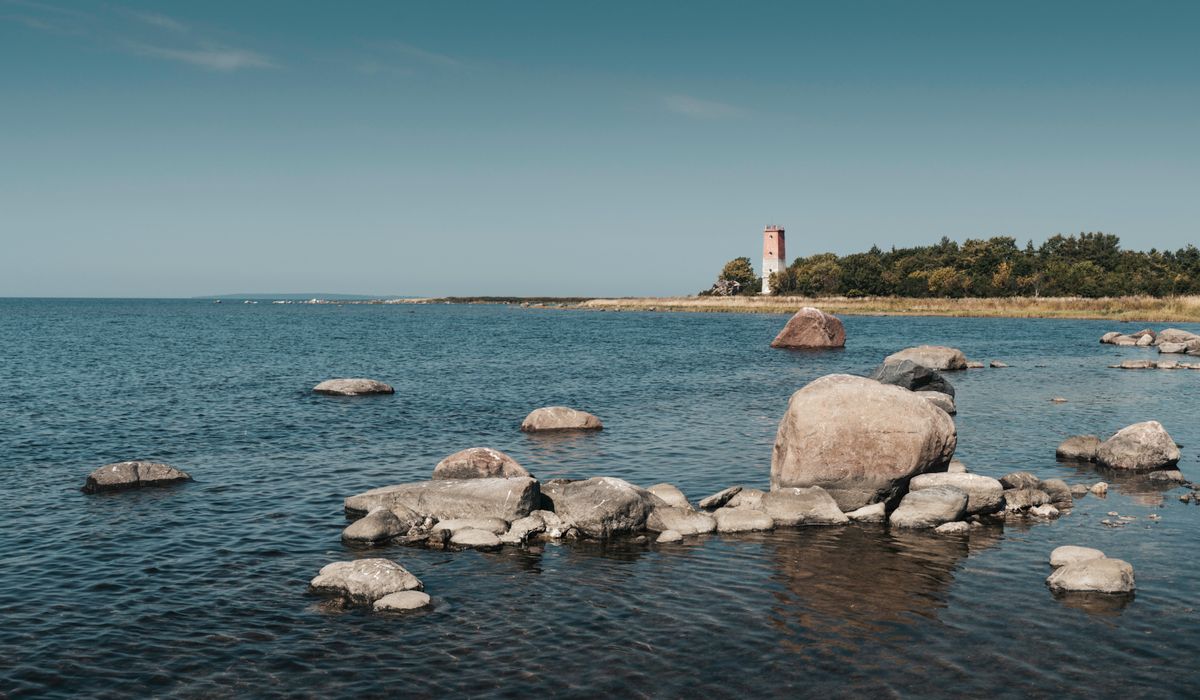
The Joys Of A Simple Cabin Breakfast
There is a particular kind of morning that only exists on the Scandinavian coast. You wake not to an alarm but to the soft, insistent drumming of rain on a corrugated roof. The cabin is small, the window is misted, and the sea is a grey smudge beyond the rocks. You have nowhere to be. This is when a simple breakfast becomes something closer to a ceremony.
The Rhythm Of A Coastal Morning
In coastal Norway, Sweden, and Denmark, the day rarely starts with a rush. The weather sets the pace. If the rain is falling steadily, there is no point in hurrying down to the harbour. Instead, you fill the kettle, light the stove, and let the cabin warm around you. The smell of coffee mingles with the damp wool of yesterday's jumper and the faint salt tang coming through the open vent. Breakfast is not a meal to be rushed; it is the first deliberate act of a slow day.
Building The Perfect Cabin Breakfast
The components are humble, but each one earns its place. A proper cabin breakfast on the Scandinavian coast tends to follow a loose formula:
- Rye bread — dense, dark, and slightly sour. It keeps for days in a cool cabin and toasts beautifully on a dry pan.
- Boiled eggs — usually two, cooked to a jammy yolk, peeled at the table while still warm.
- Strong coffee — not a delicate flat white, but a robust, almost syrupy brew that stands up to the weather.
- Butter and cheese — a sharp, salty cheese sliced thin, or a young brunost for sweetness.
- Something pickled or fresh — cucumber, pickled herring, or a handful of wild sorrel if you are lucky.
You do not need all of these. But the core trio of rye, egg, and coffee is non-negotiable.
Rye Bread: The Foundation
Scandinavian rye is not the pale, seeded loaf you might find in a UK supermarket. It is dark, moist, and often leavened with sourdough. In Denmark, you might find rugbrød cut into thin, neat slices. In Sweden, knäckebröd — crisp, holey, and sturdy — is a common cabin staple because it never goes stale. For a coastal cabin, pack a vacuum-sealed dark rye loaf and a packet of crispbread. The rye provides substance; the crispbread provides crunch.
To serve, toast slices of rye in a dry frying pan until the edges char slightly. Spread with salted butter while hot. Add a slice of cheese, or mash a boiled egg onto the bread with a fork, sprinkle with flaky salt and a little dill. The bread should be the plate, the sponge, the thing that holds everything else together.
Eggs And Coffee: Simple Precision
Boiling an egg seems easy, but in a cabin with a temperamental hob, it requires attention. Lower your eggs into already boiling water. For a jammy yolk, cook for exactly six minutes. For a firm but not chalky yolk, seven. Plunge them into cold water — or, if you are on the coast, into a bowl of seawater — to stop the cooking. Peel them warm. A pinch of salt and a crack of pepper is all they need.
Coffee is the other pillar. In Norway, many still make kokkaffe: coarse grounds boiled directly in a pot with water, then left to settle. It is strong, slightly muddy, and utterly perfect with rye bread. If you prefer a cleaner cup, bring a simple pour-over cone and a bag of dark, oily beans. Grind them coarse. Use more coffee than you think you need. The rain outside demands a brew that can stand its ground.
Rain On The Roof: A Reason To Linger
The real luxury of a cabin breakfast is not the food. It is the permission to stay put. When rain taps gently on the roof, there is no pressure to hike to the lighthouse or cycle to the next village. You can sit with your second cup of coffee and watch the droplets race down the windowpane. You can listen to the gulls and the distant thud of waves against the skerries.
This is a lifestyle that values hygge — though on the coast it is less about candles and blankets, more about practical comfort. A wool jumper. A thick sock. A table just big enough for two. The rain becomes an ally, not an inconvenience. It gives you a reason to slow down, to let the morning stretch, to have another slice of rye.
Packing And Practicalities For Cabin Stays
If you are travelling from the UK to the Scandinavian coast, a few practicalities will make your cabin breakfasts easier. First, check whether your cabin has a proper coffee pot or just a kettle. Many remote cabins have a simple hob and a percolator; some have nothing but a kettle and a French press. Bring your own small grinder if you are serious about coffee.
Second, shop locally on arrival. Coastal villages often have a small matbutikk or købmand where you can buy fresh eggs, dark rye, and local cheese. The eggs will often be unwashed and keep well at cool room temperature. Third, pack a few essentials from home that you cannot find easily: good flaky salt, a small jar of mustard, and a resealable bag for bread. Finally, embrace the weather. Rain is not a reason to cancel a trip; it is a reason to plan a longer breakfast.
A simple cabin breakfast of rye bread, boiled eggs, and strong coffee is not about deprivation. It is about attention. When the rain taps on the roof, you have everything you need: warmth, sustenance, and time. That is the joy.


Coastal Escapes
-
Fjord light shifts dramatically through the seasons, from pale winter blues to long summer evenings, rewarding photographers who return to the same viewpoints.

Nordic Food




-

Long established fact that a reader will be distracted
-

Long established fact that a reader will be distracted
-

Long established fact that a reader will be distracted


Fjord Guides
Karla Gleichauf
12 May 2017 at 05:28 pm
On the other hand, we denounce with righteous indignation and dislike men who are so beguiled and demoralized by the charms of pleasure of the moment
M Shyamalan
12 May 2017 at 05:28 pm
On the other hand, we denounce with righteous indignation and dislike men who are so beguiled and demoralized by the charms of pleasure of the moment
Liz Montano
12 May 2017 at 05:28 pm
On the other hand, we denounce with righteous indignation and dislike men who are so beguiled and demoralized by the charms of pleasure of the moment