

Visiting Small Fishing Museums On The Baltic
Why the Baltic's Small Fishing Museums Are Worth a Detour
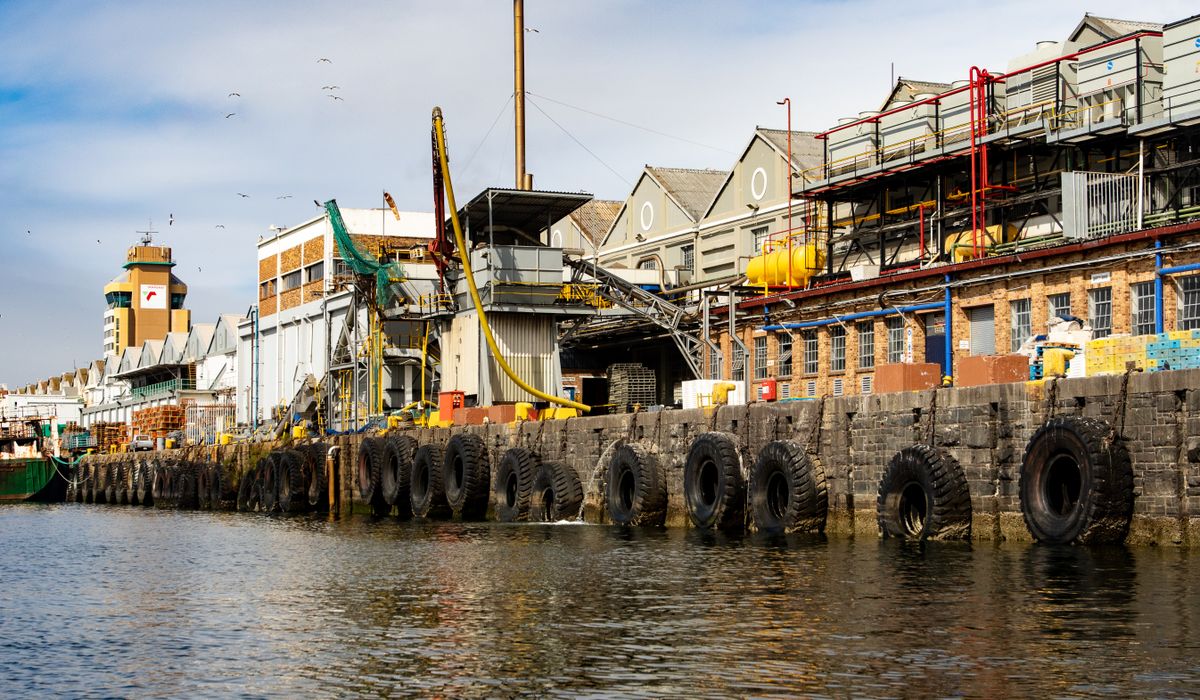
The Baltic coast is dotted with harbours that once lived entirely by the catch. Herring, cod, sprat and eel paid for the roofs, the boats and the church bells. Today many of those same quays are quiet, but a surprising number of them have turned their old warehouses, ice houses and net lofts into small fishing museums. These are rarely grand. You might find one behind a chandlery, above a smokehouse or in a former salt store with tar still darkening the timbers.
What makes them special is their scale. A national maritime museum tells you the whole story; a harbour museum tells you about one family, one boat and one winter when the ice came early. If you are travelling the coast by ferry, bike or campervan, these places make excellent half-day stops. They are cheap, usually open from late spring to early autumn, and almost always run by people who can tell you where the best smoked flounder is landed.
The Buildings Tell Half the Story
Look at the architecture before you look at the exhibits. Baltic fishing museums are often housed in the very structures that supported the trade. A net loft needs height and ventilation, so you will climb steep wooden stairs to a long, airy room smelling of hemp and pine tar. An ice house is thick-walled and half-buried, built to keep winter ice packed in sawdust until July. A smokehouse may still have its brick flues and iron hooks overhead.
In ports such as those along the Swedish east coast, the Finnish archipelago and the Estonian islands, you will also see red-painted boathouses with sliding doors and a slipway worn smooth by keels. Some museums have simply roped off a corner of a working harbour, so you can watch a boat being caulked while reading about boats that stopped being built in the 1950s. That contrast between working quay and curated display is the whole point.
What You Will Actually See Inside
The collections tend to follow the same practical logic, which is part of their charm. Expect a modest entry fee, a visitor book, and labels typed on a home printer alongside hand-painted ones from decades ago. Common highlights include:
- Clinker-built boats — overlapping planks, riveted and tarred, often small enough to sit on a trailer but seaworthy enough for open water.
- Nets, floats and eel traps — willow, cork, glass and later plastic, showing how quickly gear changed after the war.
- Model boats — made by fishermen during winter storms, usually exact down to the rope.
- Photographs of the fleet — the same harbour with thirty boats in 1935 and three in 1975.
- Household objects — enamel coffee pots, oilskins, and letters from men working away for the season.
- Herring barrels and salting tubs — the unglamorous machinery of an export trade that fed half of Europe.
Ask if there is a guided tour or a demonstration. Many volunteer-run museums offer net-mending, rope-splicing or boat-building sessions in summer, sometimes for the price of a coffee. These are usually advertised on a chalkboard by the door rather than online, so it pays to ring ahead or simply turn up and ask.
Planning a Coastal Route Around Them
Baltic harbours are close together, which makes them ideal for slow travel. A sensible approach is to pick a stretch of coast and treat the museums as waypoints rather than destinations. In Sweden, the coast from Kalmar up towards Stockholm offers a string of small ports with fishing collections. In Finland, the archipelago routes out from Turku and the Åland islands combine ferry hops with genuine boat sheds. Estonia's western islands and Latvia's Kurzeme coast have quieter, more rustic versions of the same idea.
Practical notes for UK visitors:
- Opening hours are seasonal. Many open only in June, July and August, and often just Wednesday to Sunday.
- Cash still helps. Smaller places may not take cards, though this is improving.
- Languages vary. You will usually find Swedish, Finnish, Estonian or German labels; English is common but not guaranteed in the smallest sheds.
- Transport. Bicycles go free or cheaply on many local ferries, and coastal cycle paths are well signposted.
- Weather. Pack a windproof layer even in midsummer; harbour museums are often unheated.
Eating and Drinking Like a Coastal Local
Half the pleasure of these stops is the food within walking distance. Look for a rökeri in Finland or Sweden, a suitsukala stand, or a smokehouse chimney rising from a shed roof. Pickled herring with new potatoes, fried Baltic herring with rye bread, and smoked flounder with dill are the standards. In Estonia and Latvia, expect sprats, rye crisps and dark rye bread with butter.
Eat where the fishing boats are still working. If there is a queue of locals in waterproofs at eleven in the morning, join it. Many museums are a short walk from a harbour kiosk selling coffee and cinnamon buns, which makes a natural break between two exhibits.
Why These Small Museums Still Matter
These collections are not nostalgia for its own sake. They document a real economic shift: overfishing, quotas, bigger vessels and cheaper transport changed who could make a living from the sea. A museum in a former warehouse is often the last physical record of a community that has otherwise been redeveloped into holiday cottages.
Go slowly. Read the handwritten labels. Talk to the volunteer at the desk, who is often a retired skipper or the daughter of one. Buy something small from the shop, sign the visitor book, and leave a note about where you came from. That is how these places survive. And if you time your visit to a harbour festival or boat blessing in late summer, you will see the old boats afloat rather than under a roof — which is exactly how they were meant to be seen.


Coastal Escapes
-
Southern Norway's coastal trails range from easy shoreline paths to rocky climbs, offering sea views and access to quiet swimming spots.
Nordic Food



-

Long established fact that a reader will be distracted
-

Long established fact that a reader will be distracted
-

Long established fact that a reader will be distracted


Fjord Guides
Karla Gleichauf
12 May 2017 at 05:28 pm
On the other hand, we denounce with righteous indignation and dislike men who are so beguiled and demoralized by the charms of pleasure of the moment
M Shyamalan
12 May 2017 at 05:28 pm
On the other hand, we denounce with righteous indignation and dislike men who are so beguiled and demoralized by the charms of pleasure of the moment
Liz Montano
12 May 2017 at 05:28 pm
On the other hand, we denounce with righteous indignation and dislike men who are so beguiled and demoralized by the charms of pleasure of the moment