


Packing For Variable Weather In Coastal Scandinavia
Why Coastal Weather Refuses To Commit
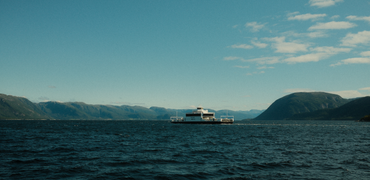
Stand on a quayside anywhere along the Norwegian coast in July and you may experience four distinct kinds of weather before lunch. A still, bright morning gives way to a brisk sea breeze, then a bank of low cloud rolls in off the water, and by mid-afternoon you are pulling up your hood while squinting at sunshine on the far shore. This is not bad luck. It is simply what happens when cold ocean currents, warm air and steep mountainous terrain meet along a narrow strip of land.
The practical consequence is that coastal Scandinavia rewards a certain kind of packer — not the one who plans for a single forecast, but the one who plans for several in the same day. Pack for the weather you hope for, and you will spend your holiday damp and uncomfortable. Pack for the weather that actually turns up, and you will find yourself free to enjoy some of the most beautiful coastline in Europe, whatever it throws at you.
The Shell Layer Is Your First Line Of Defence
If you take one piece of advice from this article, take this: a genuinely waterproof outer layer matters more than anything else in your bag. Not shower-resistant, not water-repellent — properly waterproof, with taped seams and a hood you can adjust to stay up in a gust.
For coastal trips, I would bring both a jacket and a pair of overtrousers. Overtrousers feel excessive right up until the moment you are walking a headland path in horizontal rain, and then they feel like the best decision you ever made. They also keep your legs warm when the wind picks up on an exposed ferry deck.
- Jacket: mid-weight, breathable, with a wired hood and velcro cuffs.
- Overtrousers: light and packable, ideally with full-length side zips so you can pull them on over boots.
- Small umbrella: genuinely useful in towns and harbours, useless on open coast paths where wind is the real enemy.
Layering That Works From Fjord To Ferry
Underneath the shell, think in three thin layers rather than one thick one. Sea air along this coast is rarely bitterly cold in summer, but the wind chill near water is a different matter, and the temperature can drop noticeably the moment a boat moves offshore.
Start with a moisture-wicking base layer — merino wool is excellent here because it stays warm when damp and resists smells over several days of wear. Add a fleece or light insulated mid-layer. Then your shell. On warm afternoons, the fleece comes off; on a grey morning on deck, all three go on. A thin buff or neck gaiter and a light hat are disproportionately useful, as the wind finds every gap at your collar.
Bring one smarter layer too. Coastal towns such as Ålesund and Stavanger have excellent restaurants and cafés, and it is nice to swap the walking kit for something a little more presentable in the evening without overpacking.
Footwear: Where Most Trips Are Won Or Lost
Wet feet ruin a day faster than rain. Coastal terrain means a lot of walking on a mix of surfaces: slick harbour stone, gravel tracks, muddy woodland paths, wet boardwalks and the occasional stretch of rocky shore.
- Waterproof walking shoes or light boots: broken in before you travel, with decent grip on wet rock.
- A second pair of shoes: trainers or similar, so you always have something dry to change into.
- Wool socks: several pairs. They cushion, they insulate when damp, and they dry reasonably quickly.
- Sandals or flip-flops: for rocky beaches, shared bathrooms and boat decks.
If your trip includes any real hiking, choose boots with ankle support. If it is mostly town and ferry travel, light shoes plus one pair of wellies can cover nearly everything.
The Daypack And What Lives Inside It
A small daypack — around twenty litres — is the single most useful piece of luggage you will carry. It holds your layers when the sun comes out, and everything you need when the weather turns, without weighing you down.
Keep these in it permanently, so you never have to think about them:
- The folded shell jacket and overtrousers, even on a promising morning.
- A dry bag or waterproof stuff sack for your phone, camera and any paper tickets.
- A refillable water bottle — tap water is excellent and free almost everywhere.
- Sun cream and sunglasses. Coastal light can be fierce, and reflections off water are unforgiving.
- A small snack, a power bank, and a lightweight sit mat if you plan on picnic stops.
Small Habits That Make Packing Easier
Choose quick-drying fabrics throughout and avoid heavy cotton, which soaks up moisture and stays cold. Roll rather than fold to save space and reduce creasing. Pack for a week and plan to wash as you go; laundrettes and hand-washing in a sink are perfectly normal parts of coastal travel here.
Finally, check the local weather forecast each morning, but treat it as a hint rather than a promise. The pleasure of this coastline lies precisely in its unpredictability — and a well-packed bag is what lets you stop worrying about the sky and start enjoying the water, the light and the long, slow evenings that make this part of the world so memorable.


Coastal Escapes
-
Rye bread and smoked fish make quick, satisfying meals when paired with pickles, soft cheese, and fresh herbs from a coastal market.

Nordic Food




-

Long established fact that a reader will be distracted
-

Long established fact that a reader will be distracted
-

Long established fact that a reader will be distracted


Fjord Guides
Karla Gleichauf
12 May 2017 at 05:28 pm
On the other hand, we denounce with righteous indignation and dislike men who are so beguiled and demoralized by the charms of pleasure of the moment
M Shyamalan
12 May 2017 at 05:28 pm
On the other hand, we denounce with righteous indignation and dislike men who are so beguiled and demoralized by the charms of pleasure of the moment
Liz Montano
12 May 2017 at 05:28 pm
On the other hand, we denounce with righteous indignation and dislike men who are so beguiled and demoralized by the charms of pleasure of the moment