

Understanding Norwegian Coastal Weather Before You Travel
The Coast Makes Its Own Weather
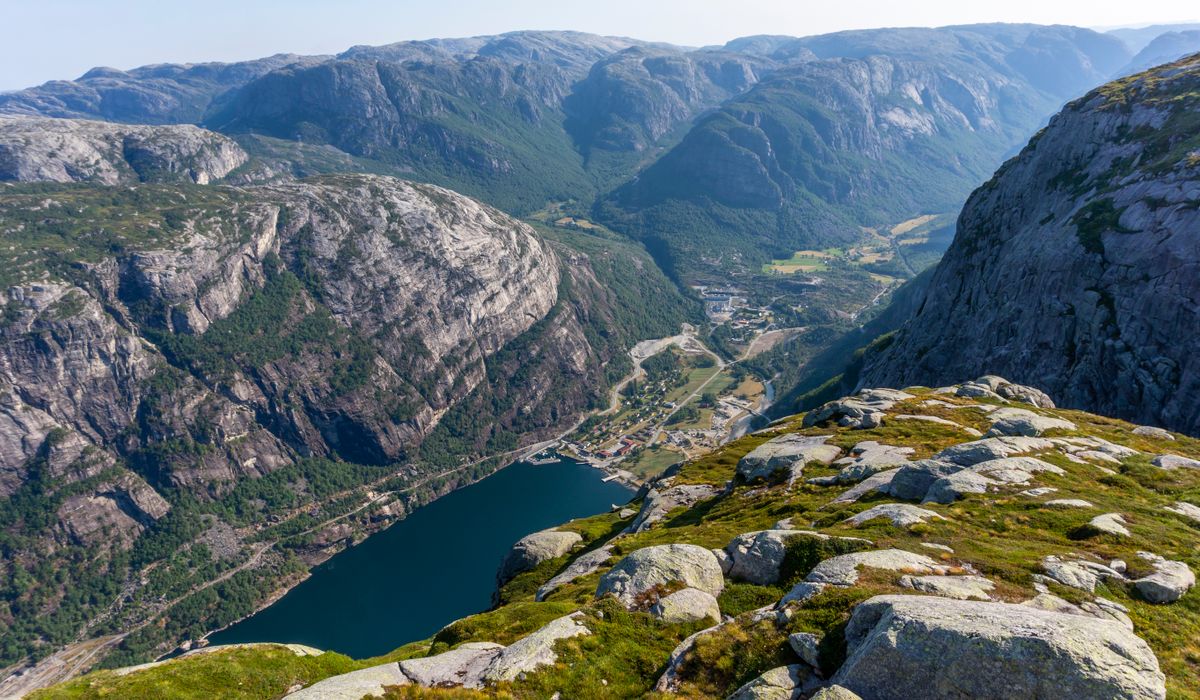
Norway's coastline stretches from the sheltered waters of the Skagerrak to the raw Arctic edge of Finnmark, and the weather changes character every few hundred kilometres. What surprises most visitors is not that it rains — it is how quickly a bright morning can turn into a soaking, wind-driven afternoon, and then clear again by teatime. A forecast for a town thirty kilometres inland may have almost nothing to say about conditions at the harbour, so it pays to think of coastal weather as a local affair rather than a national one.
The Gulf Stream also plays its part. It keeps most ports ice-free even well north of the Arctic Circle, which means winter on the outer coast is often mild, wet and windy rather than frozen. That contrast with the snowy mountains behind can catch people out badly.
Why Conditions Change So Fast
Atlantic low-pressure systems roll in off the sea with little to slow them down, and the landscape does the rest. Steep mountains and narrow fjords funnel wind like a chimney, so a gentle breeze recorded at an airport can become a genuine gale at a ferry quay a few kilometres away. The sea itself adds another layer: on calm, sunny days a sea breeze builds through the morning and peaks in the early afternoon, which is why fishing boats leave at dawn and why the water is often choppiest just when you fancied a paddle.
Rain shadows matter too. One side of a fjord can be dry and glowing while the opposite shore is under low cloud, and travelling a few valleys over can mean swapping sunglasses for waterproofs. Locals rarely talk about "the weather" in the abstract — they talk about what it is doing here, right now.
How to Read a Coastal Forecast
Temperature is the least useful number on the page. Wind is the one that shapes your day, and it is worth learning to read it properly. In Norway, wind is usually given in metres per second, so a figure of 10 m/s is a fresh breeze that will make standing on an exposed pier uncomfortable, while 15 m/s is firmly in "stay ashore" territory.
- Wind gusts rather than averages — gusts decide whether the boat trip runs.
- Precipitation timing in millimetres per hour, not just a daily total or a rain symbol.
- Wind chill or "feels like" values, which can sit ten degrees below the air temperature.
- Wave height and sea state if you are planning anything on the water.
- Daylight hours, which swing enormously between summer and winter.
National meteorological services, harbour webcams and the weather pages of local ferry and boat operators are all worth checking together. Treat anything beyond 48 hours as a trend rather than a promise, and keep a flexible plan B.
What to Pack for Wind and Rain
Layers beat bulk every time, and cotton is a poor friend in damp coastal air because it stays cold when wet. Build your kit around three layers: a thin wool or synthetic base, a fleece or wool jumper for warmth, and a genuinely windproof, waterproof outer shell with taped seams and a hood you can cinch tight.
- Waterproof overtrousers — the single most underrated item in any coastal rucksack.
- Sturdy footwear with proper grip for wet rock, slippery boardwalks and greasy cobbles.
- A warm hat, gloves and a neck buff; wind removes heat faster than cold alone.
- A dry spare layer and a dry bag for phone, camera and paperwork.
- Sunglasses and high-factor sun cream, even in cloudy weather — sea glare is relentless.
A Season-by-Season Reality Check
Spring brings bright, cold days and melting snow, with rivers running high and the sea still chilly. Summer is the season most people picture: long daylight north of the Arctic Circle, with the midnight sun from roughly mid-May to late July in the far north. Daytime temperatures typically sit between 10°C and 18°C, showers are frequent, and the odd warm spell into the mid-twenties is a bonus rather than a guarantee. Midges can be a nuisance in sheltered, damp places in Finnmark and inland valleys.
Autumn delivers the most dramatic light, bigger swell and fewer crowds, but also the first proper storms. Winter splits the coast in two: mild, grey and wet in the south-west, darker and colder in the north, where the polar night settles in. Wherever you go, ice on pavements and quays is a real hazard — grip matters more than glamour.
Everyday Habits of Coastal Life
Watch how people who live here behave and copy them. They check the forecast twice a day, keep a waterproof jacket by the door all year round, and judge plans by the wind rather than the calendar. They also build slack into their day: if the morning is calm, they get out on the water; if the afternoon turns, they head for a museum, a café or a sheltered walk.
Book boat trips and ferry crossings with a day of flexibility where you can, take seasickness tablets well before you board rather than once you feel unwell, and always tell someone where you are going and when you expect to be back. The Norwegian coast rewards patience and preparation generously — pack for the wind, expect rain even on a bright morning, and you will spend far more of your trip enjoying it rather than enduring it.


Coastal Escapes
-
Nordic seafood cooking often relies on simple methods, letting fresh ingredients speak for themselves with butter, dill, lemon, and black pepper.
Nordic Food




-

Long established fact that a reader will be distracted
-

Long established fact that a reader will be distracted
-

Long established fact that a reader will be distracted


Fjord Guides
Karla Gleichauf
12 May 2017 at 05:28 pm
On the other hand, we denounce with righteous indignation and dislike men who are so beguiled and demoralized by the charms of pleasure of the moment
M Shyamalan
12 May 2017 at 05:28 pm
On the other hand, we denounce with righteous indignation and dislike men who are so beguiled and demoralized by the charms of pleasure of the moment
Liz Montano
12 May 2017 at 05:28 pm
On the other hand, we denounce with righteous indignation and dislike men who are so beguiled and demoralized by the charms of pleasure of the moment