

Exploring Art Museums In Copenhagen's Harbour Area
A Harbour Made for Slow Looking
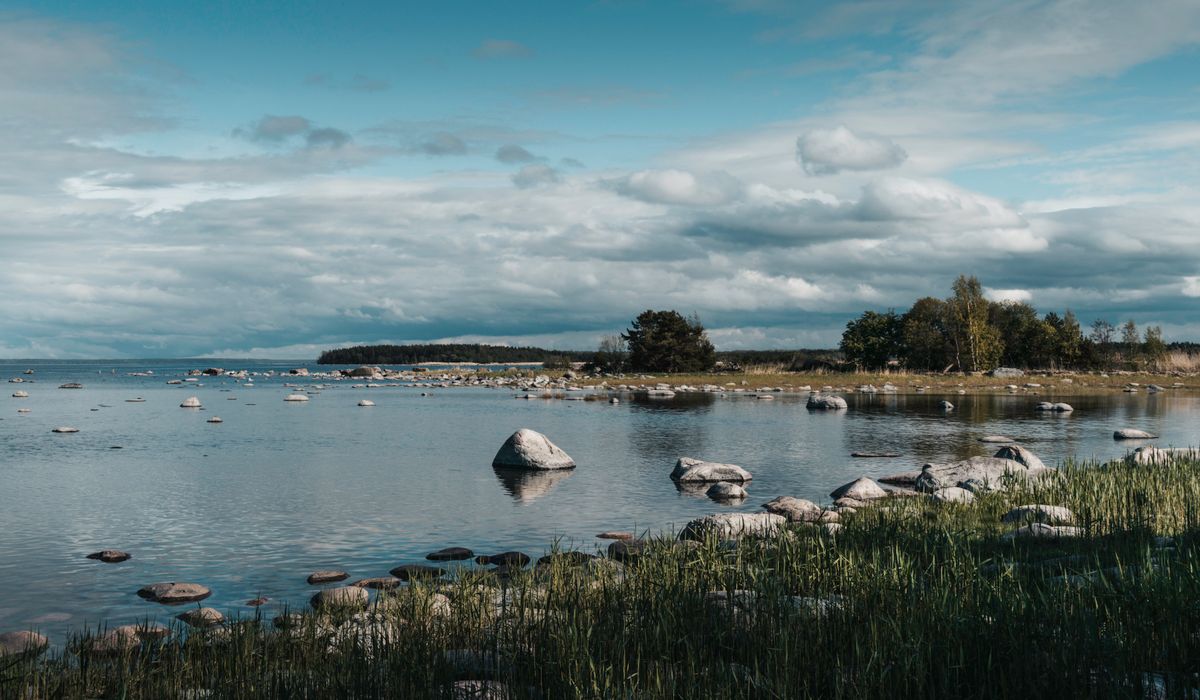
Copenhagen's harbour is not simply a backdrop to the city's cultural life — it is the stage itself. Over two decades, old shipyards, warehouses and ferry quays have become galleries, halls, parks and swimming spots, giving you a waterfront you can walk in a morning and still want to revisit in the afternoon. Distances between venues are short, the light is silvery and changeable, and there is always a bollard or bench facing the water when you need one. Bring a windproof layer and sensible shoes; the cobbles are charming but unforgiving.
Refshaleøen: Big Art in Old Shipyards
Start on the eastern side, where a large contemporary art hall occupies a former welding building on Refshaleøen, the peninsula that once rang with shipbuilding. The rooms are cavernous and the exhibitions are scaled to match: video works projected onto walls the height of houses, sculptures that need a crane to move, sound pieces that fill the whole space. Allow ninety minutes, more if a major show is running.
Getting there is half the pleasure. The harbour bus runs from the city centre out through Holmen and calls at Refshaleøen on some routes; cyclists can cross the Inderhavnsbroen and follow the water round. Afterwards, walk the shoreline path — on a fine day you will pass swimmers, anglers, joggers and cargo ships heading up the sound, which is a fair summary of Copenhagen in a single view.
Charlottenborg and the Old Harbour Edge
Kunsthal Charlottenborg stands on Kongens Nytorv, five minutes from the painted gables of Nyhavn and the canal boats that leave from it. The building is a seventeenth-century palace with a modern wing grafted onto the side, and the programme swings between Danish contemporary art, international touring shows and the spring graduation exhibition that fills every corner.
From here, follow the canal south to Gammel Strand, where the Kunstforeningen GL STRAND galleries occupy a narrow building at the water's edge — small shows, often excellent, rarely crowded. A few streets on sits Thorvaldsens Museum, an extraordinary confection built to house the neoclassical sculpture of Bertel Thorvaldsen. The building is as much the attraction as the marbles: painted ceilings, a courtyard for the horses, and a facade celebrating the artist's return from Rome. Even twenty minutes here feels like a holiday.
Christianshavn: Warehouses, Canals and Free Exhibitions
Cross the water — by the kissing bridge, by harbour bus, or by shuttle boat depending on the season — and you are in Christianshavn, all narrow canals and low houseboats. Overgaden, the institute for contemporary art, sits directly on the canal in a converted warehouse and is usually free to enter, which makes it a sensible stop when you have half an hour to fill. The shows tend to be experimental: film, sound and installation, often by artists early in their careers.
From there, wander north through the side streets towards the Church of Our Saviour, whose external spiral staircase winds around the spire — around four hundred steps to the best harbour view anywhere. The surrounding streets feel lived-in and relaxed, and several small galleries open on Thursdays and Fridays, which makes a wet afternoon genuinely enjoyable.
Design, Architecture and the New Waterfront
Art in Copenhagen rarely arrives without design attached. In Frederiksstaden, a short walk inland from the water, the Danish Design Museum covers furniture, fashion, poster art and industrial design in a rococo building with a lovely garden courtyard. Back on the harbour front, the Danish Architecture Center runs exhibitions on the built environment and has a terrace overlooking the water.
Then head north. The harbour bus continues to Nordhavn, the newest district, where the quaysides are still being finished and the architecture is deliberately bold. It is a good place to end a day: wide skies, container cranes, a harbour bath, and the sense of a city still designing itself.
Practical Notes Before You Go
- Tickets and transport: the harbour bus uses the same ticket system as the metro and city buses, so buy before you board. A day pass pays for itself after three journeys.
- Opening hours: many museums close on Mondays, and several open late on one weekday evening. Check the day before, especially outside summer.
- Cycles: the quickest way between venues. Hire near the central station and use the harbour bridges — you will rarely meet a hill.
- Swimming: the harbour baths at Islands Brygge, Kalvebod Bølge and Sandkaj open roughly from June to the end of August, with lifeguards on duty. Water quality is monitored and usually excellent.
- Eating: smørrebrød is the harbour lunch of choice — rye bread, pickled herring, a fork and no fuss. The converted industrial yard on Refshaleøen is the easy option for a crowd-pleasing dinner.
- Weather: pack a light waterproof and a scarf. Wind off the water makes the harbour a few degrees cooler than the streets behind it.
Give yourself two days if you can: one for the galleries and museums, another simply for walking the quays, sitting on a bollard and watching the ferries come and go. It is the walking, in the end, that makes this corner of Copenhagen memorable.


Coastal Escapes
-
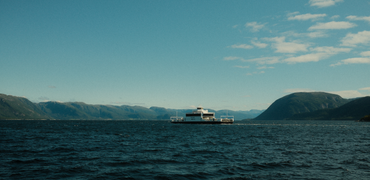
Choosing a base in the Lofoten Islands depends on ferry links, hiking access, and whether you prefer a quiet fishing village or a livelier harbour.

Nordic Food


-

Long established fact that a reader will be distracted
-

Long established fact that a reader will be distracted
-

Long established fact that a reader will be distracted


Fjord Guides
Karla Gleichauf
12 May 2017 at 05:28 pm
On the other hand, we denounce with righteous indignation and dislike men who are so beguiled and demoralized by the charms of pleasure of the moment
M Shyamalan
12 May 2017 at 05:28 pm
On the other hand, we denounce with righteous indignation and dislike men who are so beguiled and demoralized by the charms of pleasure of the moment
Liz Montano
12 May 2017 at 05:28 pm
On the other hand, we denounce with righteous indignation and dislike men who are so beguiled and demoralized by the charms of pleasure of the moment