

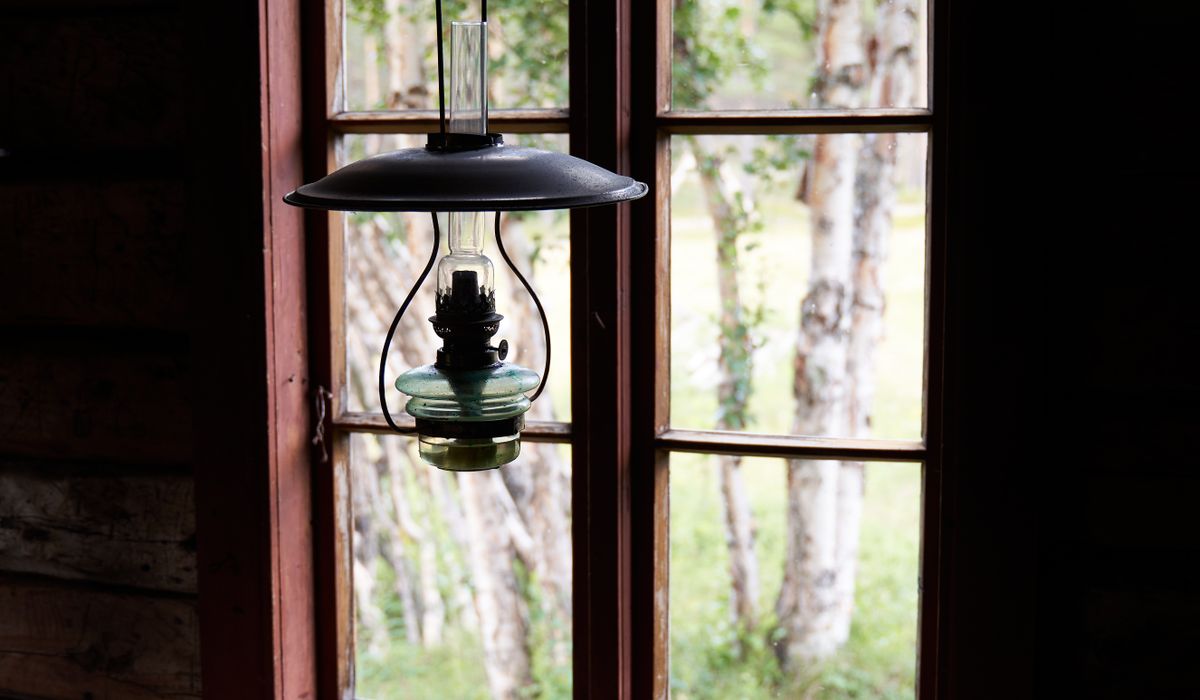
Finding Quiet Beaches On Denmark's North Sea Coast
The Wide, Wild Appeal of Jutland's West Coast
Denmark's North Sea coast stretches from the windswept tip at Skagen down to the Wadden Sea, a long, straight edge of pale sand and rolling dunes. It is a landscape shaped by wind and tide, where the sea is rarely still and the sky feels enormous. For travellers used to the gentle, crowded beaches of southern Europe, this is something else entirely: bracing, dramatic, and often blissfully empty. If you are seeking quiet beaches, you have come to the right place — provided you arrive prepared for the conditions that keep the crowds away.
The North Sea is not a swimming pool. It is powerful, cold, and changeable. But that is exactly why the coast remains so peaceful. On a blustery Tuesday in September, you might walk for an hour without seeing another soul. The trick is to understand the environment, respect it, and let it set the rhythm of your day.
Understanding the North Sea Weather
Weather on the Danish west coast changes fast. A morning of pale sunshine can turn into a grey, gusty afternoon within an hour. Wind is the constant. It sculpts the dunes, whips up the sand, and makes the sea choppy. Even on a mild day, the wind chill can make it feel ten degrees colder than inland. Pack accordingly: a windproof and waterproof outer layer, a warm fleece, and a hat that will not blow away. Sturdy shoes are better than sandals, especially if you plan to walk the dunes or explore the beach beyond the main access points.
Rain is frequent but rarely heavy for long. Showers pass through quickly, and the light that follows can be spectacular. Locals say there is no bad weather, only bad clothing. Embrace that philosophy and you will enjoy the coast in any season.
When to Go for Solitude
July and August are the busiest months, particularly around popular spots like Blokhus, Løkken, and Henne Strand. Even then, you can find quiet stretches by walking ten or fifteen minutes away from the main car parks. But for true solitude, aim for the shoulder seasons: late May, June, September, and early October. The water is at its warmest in late summer, though "warm" is relative — expect around 17°C at best. Many hardy Danes swim year-round, but for most visitors, a brisk dip followed by a hot drink is enough.
Winter walks are a special pleasure. The beaches are empty, the light is low and silvery, and the wind is fierce. Just check the forecast and avoid storm surges.
How to Find Your Own Quiet Stretch
The coast is long, and the further you go from the main towns, the quieter it gets. Look for the small parking areas marked with a simple sign, often just a wooden post and a path through the dunes. These are public access points, and they lead to beaches that rarely see more than a few visitors.
- Go north of the big resorts. The stretch between Løkken and Blokhus has wide, empty sands, especially early in the morning.
- Head south towards the Wadden Sea. The beaches near Vejers and Klegod are vast and often deserted outside peak weeks.
- Take a ferry to the islands. Fanø and Rømø have long, broad beaches where you can walk for miles without meeting anyone. On Rømø, you can even drive on parts of the beach, but be sure to check local rules and tide tables.
- Walk beyond the first dune ridge. Many people stop as soon as they see sand. A short stroll over the dunes reveals a completely different, quieter world.
Staying Safe on the Sands
The North Sea demands respect. Rip currents are common, particularly around harbour walls and after strong onshore winds. Never swim alone, and never swim where there are no other people. If you are caught in a rip, do not fight it — swim parallel to the shore until you feel the current release, then head back in. Lifeguards patrol some beaches in July and August, but outside those months you are on your own.
Check the Danish weather forecast and tide tables before you set out. The tide here is not extreme, but it can still surprise you, especially on the Wadden Sea side where mudflats appear and disappear. Watch for beach flags: red means no swimming, yellow means caution, green means safe. If in doubt, stay on the sand.
Also be mindful of the wind. A strong offshore breeze can carry inflatables and paddleboards out to sea in minutes. Keep children close, and avoid using cheap blow-up toys in the sea.
A Slow Rhythm by the Sea
The quiet beaches of Denmark's North Sea coast are not about sunbathing and cocktails. They are about long walks, the sound of the wind, and the smell of salt and sea buckthorn. Bring a thermos, a good book, and a willingness to change your plans. Spend an afternoon watching the light shift over the water, or cycle the marked paths behind the dunes. The coast rewards patience and preparation. Treat it with respect, and you will find the kind of peace that is increasingly hard to come by.


Coastal Escapes
-
Aarhus harbour district mixes industrial heritage with modern food halls, waterside walks, and easy access to the city's wider cultural attractions.
Nordic Food




-

Long established fact that a reader will be distracted
-

Long established fact that a reader will be distracted
-

Long established fact that a reader will be distracted


Fjord Guides
Karla Gleichauf
12 May 2017 at 05:28 pm
On the other hand, we denounce with righteous indignation and dislike men who are so beguiled and demoralized by the charms of pleasure of the moment
M Shyamalan
12 May 2017 at 05:28 pm
On the other hand, we denounce with righteous indignation and dislike men who are so beguiled and demoralized by the charms of pleasure of the moment
Liz Montano
12 May 2017 at 05:28 pm
On the other hand, we denounce with righteous indignation and dislike men who are so beguiled and demoralized by the charms of pleasure of the moment